
Persian, Afghan and South Asian weddings · San Francisco Bay Area
Weddings
عروسی
Our celebrations are built on centuries of poetry, hospitality and sacred tradition, and they deserve more than a cookie-cutter approach. We honor the deep soul of your heritage while stripping away the stress, never the meaning. Elders seated first, at every ceremony, as your family wishes.
These are examples; we confirm your family's customs and sequence with you and your officiant. Two heritages, different levels of observance, or celebrations not listed here? Tell us what your family keeps.
Call (925) 263-9949 · WhatsApp · Begin the conversation
Sofreh Aghd
سفرهٔ عقد
For the Persian ceremony at the sofreh, we confirm the order and participants of the rituals you choose with you and your officiant, and cue each moment on the day.
We brief your sofreh designer and check the spread against the sofreh key before the elders are seated.
Details we confirm with your family
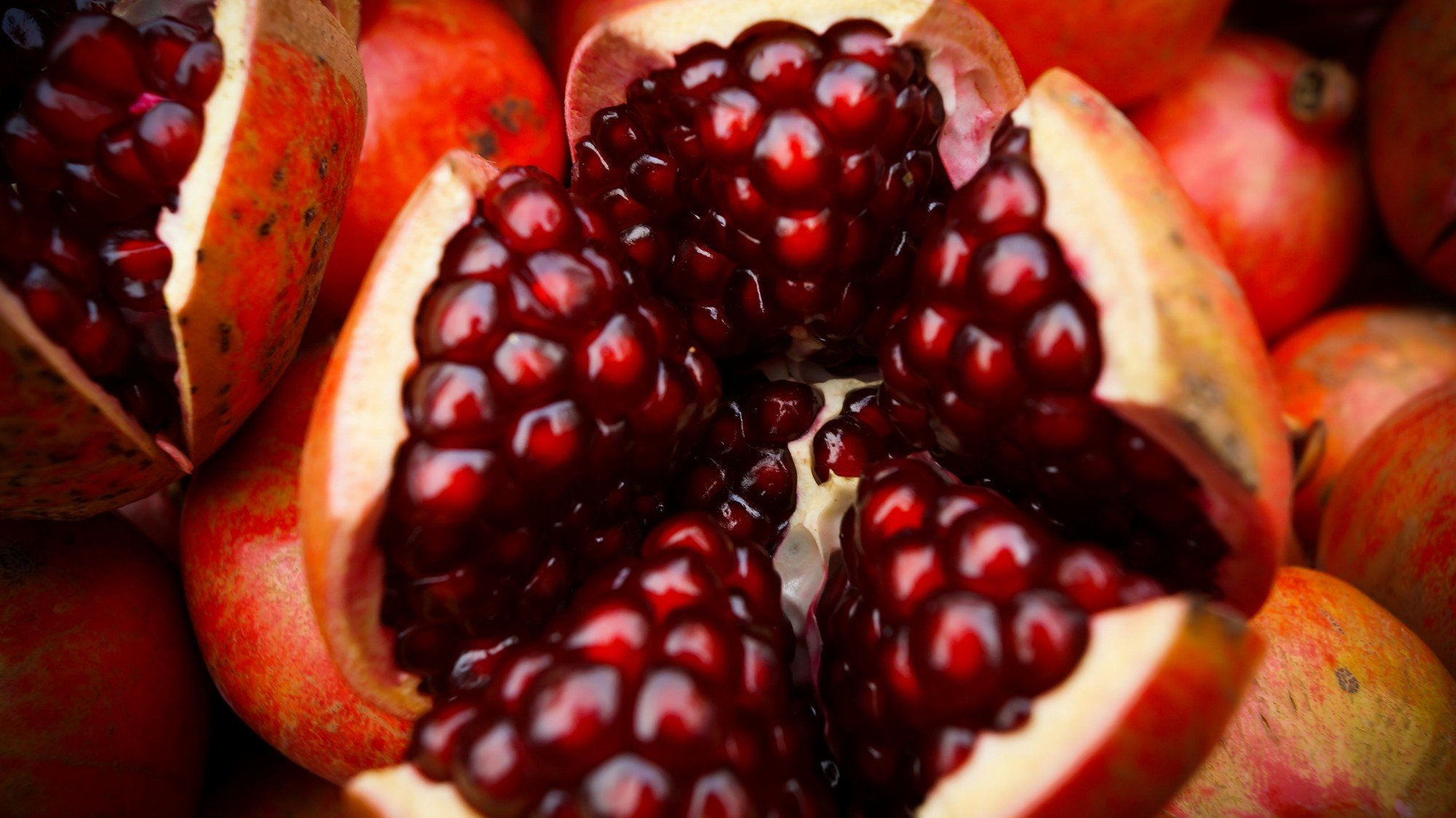
The spread at the head of the room: mirror, candlesticks, honey, bread, coins, the pomegranate. The kaleh ghand: the sugar cones rubbed together over the cloth held above the couple's heads as the vows are read, by the participants the couple names (many families choose happily married women).
The baleh: the aghed asks three times and the bride's answer comes after the third (the playful silence the first two times, timed with the aghed, the family and the photographer); the honey is shared from the fingertip straight after. Who holds the cloth, who rubs the cones and who speaks for the family: you name them, and we cue them.
The sofreh key (a one-page guide naming each item on the spread, in the languages listed in your proposal) is coordinated with your printer and set out for the guests, so the other family learns each item at a glance. If your family holds a bale-boroon or namzadi before the aghd, it goes in the programme and the elders are seated for it.
Nikah
نکاح
For the Islamic marriage contract, read before witnesses and both families, we confirm the order and participants with you and your officiant.
We cue the officiant and the family, and a one-line programme, coordinated with your printer, lets every guest follow.
Afghan weddings · عروسی افغان
Afghan families name their own days, and we use your names: the shirni-khori (شیرینیخوری) when the engagement is sealed with sweets, the henna night (khina), the nikah with the aina mosaf, the walima, and the attan if your family dances. We ask which language the elders speak, Dari or Pashto, who leads each moment, and who sits where, and the programme and the parents' pages follow your family's words.
Details we confirm with your family
For Pakistani families: the nikah, the rukhsati and the walima, each in its own time. For the rituals you choose: the mehndi the night before and the rukhsati after the nikah or the reception, if your family keeps them. The room stays quiet and steady for the reading.
If your family observes the aina mosaf (آینهمصحف), as many Afghan families do, it has its own moment, at the nikah or at the reception under the shawl, as your family keeps it: the couple's first look in the mirror, the Quran open between them, the elders close. We cue the shawl, the mirror and the reading with your family, and nobody is hurried.
The witnesses, the wali, and who signs where: confirmed with your officiant before the day, so the reading is not interrupted. The mahr as agreed by the couple and confirmed with their officiant.
The family's part, who speaks, who sits where and who is cued for the send-off: as your family keeps it, named with you.
Mehndi & Sangeet
حنابندان · مهندی
For the henna night and the sangeet, we confirm the order of the evening and the participants with you, then run it with the venue, the musicians and the henna artist.
The elders are seated before the first song, and the bride's henna is dry before she is called.
Details we confirm with your family
The order of the evening as your family keeps it: the henna, the elders' blessing, the entrances, the dances each family has rehearsed, the hour the elders leave.
The henna gathering: hana-bandan for Persian families, khina for Afghan families, mehndi for South Asian families. Henna on the bride's hands, with the elders' blessing, by the participants the couple names.
The sangeet: both families singing and dancing. In the nights before, if your family holds them: the mayun, dholki or jaggo, or the gaye holud for Bengali families, each in the same plan with its own timeline and staffing.
Hindu ceremonies
Haldi & Pheras
We set the timing with your pandit and the venue, at the muhurat your family's priest sets, and call the day in the order of the agreed programme.
A one-line programme, coordinated with your printer, explains each ritual so every guest can follow.
Details we confirm with your family
For the rituals you choose, we confirm the order and participants with you and your pandit: who gives the bride away, who leads which round, who sits where for the pheras. The mandap stays quiet and on time.
If your family observes the haldi, or the vidhi and pithi for Gujarati families, the family paints the couple with turmeric before the wedding; we schedule it with the family and the photographer, and keep the outfits for the wedding day clear of it.
The day as many families call it, confirmed with you and written into the programme: the baraat (the groom's party arriving) and the milni, the kanya aagman (the bride's entrance, cued with her family), the jai mala or varmala (the garlands exchanged, with the family close), the kanyadaan (the giving away, by the participants the couple names; often the parents), then the pheras under the mandap with the pandit: the number of rounds, who leads which, the mangalsutra and the sindoor, the saptapadi's seven steps, as your family keeps them.
Gujarati, Punjabi or South Indian: the sequence your family keeps, confirmed with your pandit.
Sikh ceremony
Anand Karaj
We set the timing with the gurdwara and the granthi, and call the morning in the order of the agreed programme.
A one-line programme, coordinated with your printer, tells every guest what the gurdwara asks (heads covered, shoes off).
Details we confirm with your family
For the rituals you choose, we confirm the order and participants with you and the granthi: who places the palla, who sits close for the laavan. The hall stays quiet and on time, and the programme explains each ritual so every guest can follow.
The Sikh ceremony before the Guru Granth Sahib: the baraat (the groom's party arriving) and the milni, the families seated, the palla placed in the bride's hand by the participant the couple names (often her father), the four laavan as the couple circle the Guru Granth Sahib, the parents and the elders seated close.
Your ceremony, in the sequence agreed with your family and the granthi: the Ardas and the Karah Parshad at its close, then the langar, with the gurdwara.
Reception & Walima
جشن عروسی
We call the timeline with the venue and every vendor: blessings, entrances and dancing in the order agreed with your family, on one night or two.
The send-off, the rukhsati, vidaai or doli as your family calls it, is cued for the elders.
Details we confirm with your family
For the rituals you choose, we confirm the order and participants with you: who speaks, who is cued for the send-off. Welcome sign, seating chart and table numbers in the languages listed in your proposal, coordinated with your printer and the venue, and a thank-you card follows.
The walima, the groom's family's celebration after the nikah, and the reception: which family hosts which night, who speaks and in which order, the first dance or none, and the hour the elders leave. We run each your way.
Nowruz & Yalda
نوروز · شب یلدا
Spring, and the longest night. If your date falls near Nowruz or Shab-e Yalda, we plan the haft-sin or the Yalda table into the programme with your family and your designer, and we check it against the key on the day.
Two heritages at one table?
We blend cultures across a multi-day celebration without diluting either: each ritual stays as that family keeps it.